

Replit vs Cursor vs Windsurf (2026): Features, AI Capabilities, and Differences

Updated:
March 10, 2026
AI coding tools like Replit, Cursor, and Windsurf are transforming how developers write, refactor, and deploy software. Each platform approaches AI-assisted development differently: Cursor focuses on an AI-native desktop IDE, Replit provides a collaborative cloud development environment, and Windsurf introduces automation through rule-based AI workflows. In 2026, developers often compare these tools to decide which AI coding assistant best fits their workflow.
Quick overview table
Cursor: the AI-first desktop IDE
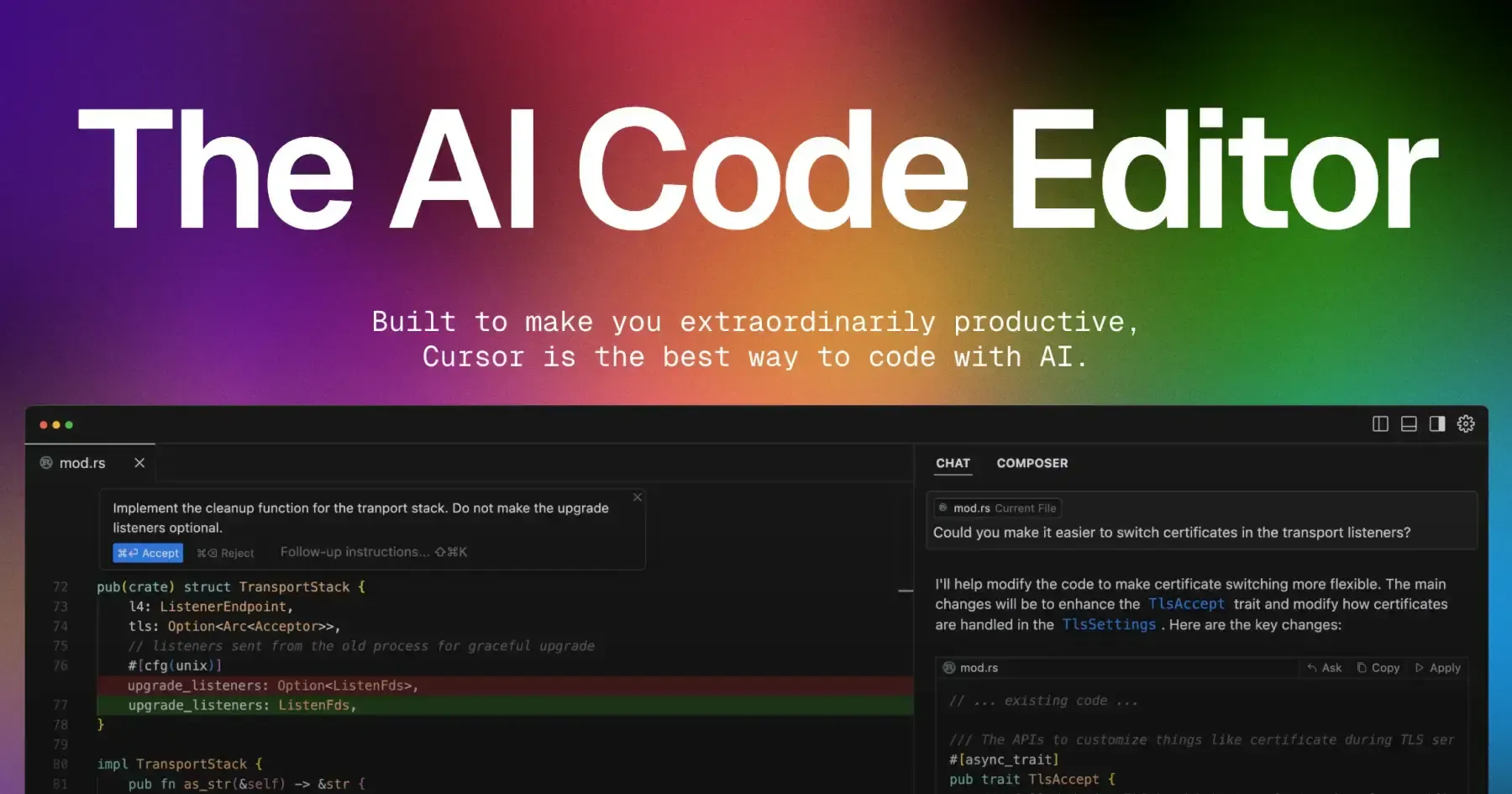
Cursor is an AI-native code editor based on VS Code that integrates AI directly into the development workflow. It allows developers to edit entire projects using natural language prompts, refactor code across multiple files, and interact with their repository through AI chat.
Best for: Professional developers who want full control and fast, local performance with tightly integrated AI.
Key features:
- Fork of VS Code with built-in AI chat
- Full-project context awareness
- AI refactoring, file generation, docstrings
- Offline support
- Paid plans unlock faster models and team features
Limitations:
- Desktop-only, not suited for collaboration out of the box
- Can get expensive for teams using GPT-4-tier models
Replit: cloud IDE with built-in AI
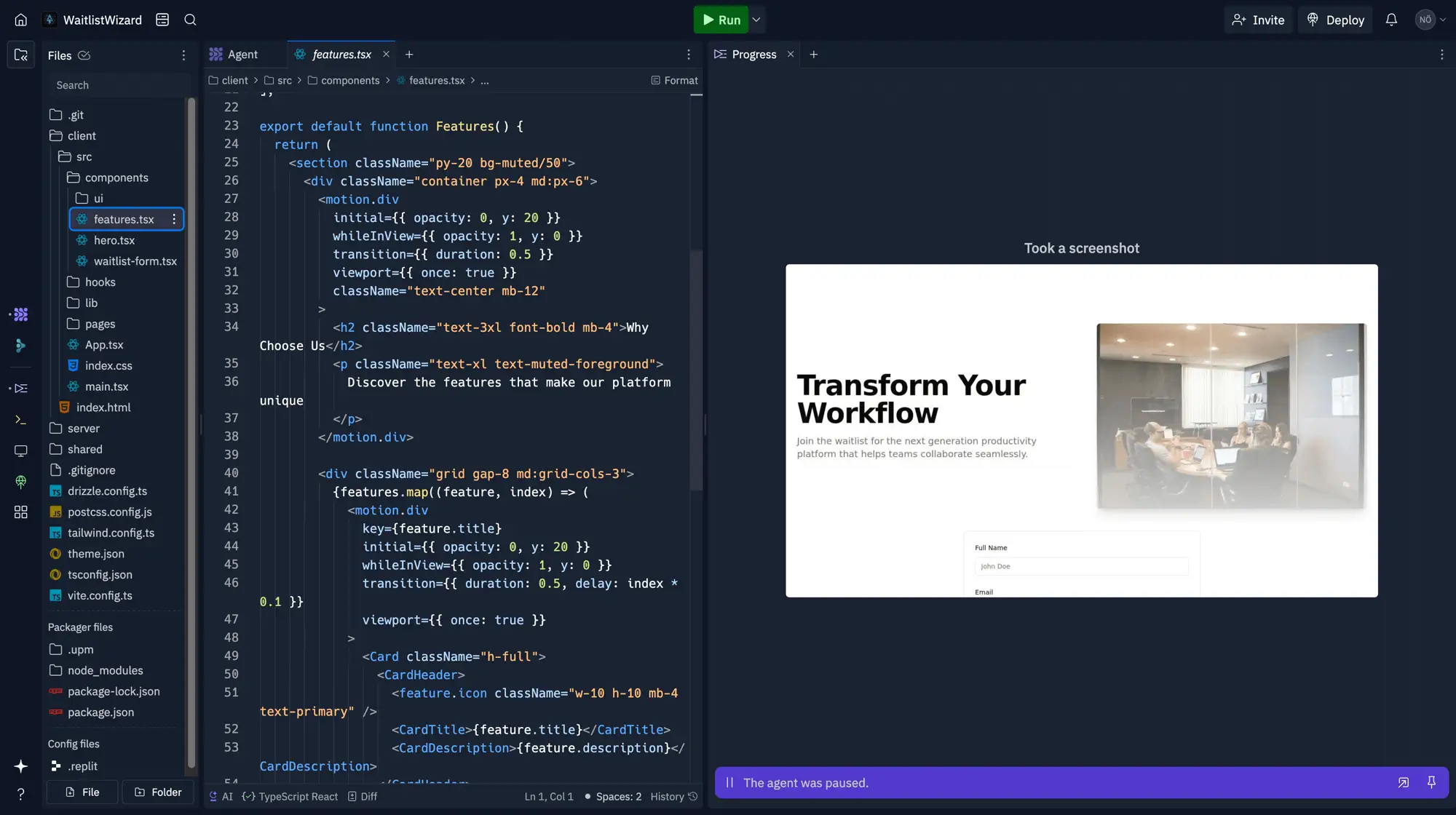
Replit is a cloud-based development platform that allows developers to write, run, and deploy code directly from the browser. With its Ghostwriter AI assistant, Replit provides autocomplete suggestions, debugging help, and chat-based code explanations.
Best for: Hackers, solo founders, and educators looking for an all-in-one coding environment with AI help.
Key features:
- Ghostwriter AI for autocomplete, chat, and suggestions
- Multiplayer mode for collaborative coding
- Built-in hosting and deployment (Replit Deployments)
- Real-time code sharing
Limitations:
- Limited local development and offline capabilities
- Not ideal for large-scale production apps
- Ghostwriter lacks full-project context vs Cursor
Windsurf: AI with rules and control
Windsurf is an AI-assisted development tool that focuses on automation through rules and prompt chains. Instead of relying only on chat-based coding assistants, it allows developers to create repeatable AI workflows that automatically modify and maintain codebases.
Key features:
- Prompt chaining and rules engine
- Runs locally and works offline
- Supports popular LLMs like GPT-4, Claude, and open-source models
- Built-in editor and visualization of rule logic
Limitations:
- Not yet mainstream; rough edges in UX
- Limited integrations with popular dev tools
- Better for solo workflows than team projects
Which one to choose?
The best tool depends on your workflow and goals:
- Choose Cursor if you want AI deeply embedded into your daily local development and you're building serious software.
- Choose Replit if you want to code from anywhere, collaborate in real time, and quickly spin up full-stack apps with AI help.
- Choose Windsurf if you're technical, love automation, and want to create reusable AI-powered workflows that go beyond chatting.
And if you're looking for an AI app generator that goes a step further-building CRUD apps, UI layouts, and backend logic from prompts—consider checking out UI Bakery AI Generator. It's purpose-built for internal tools and backend-driven apps with full code export options.
Alternatives to Replit, Cursor, and Windsurf
While Replit, Cursor, and Windsurf are leading the charge in AI-assisted development, they’re not the only options out there. Depending on your needs—whether it’s internal tools, full-stack app generation, or enterprise-grade automation—there are several alternatives worth considering:
UI Bakery AI App Generator

If you’re looking to go beyond editing code and actually build full applications from natural language prompts, UI Bakery helps teams build internal tools, dashboards, and CRUD applications from prompts, generating both frontend interfaces and backend logic.
- Best for: Internal tools, admin panels, business logic-driven apps
- AI Capabilities: Turns prompts into fully functional apps with frontend + backend logic
- Extra Perks: Role-based access, data source integrations (SQL, REST, Airtable), deploy or export code
- Pricing: Free plan + business tiers available
GitHub Copilot
Still one of the most popular AI dev tools, Copilot integrates with your IDE and offers autocomplete, chat, and code explanations. However, its project-wide editing capabilities are limited compared to Cursor.
- Best for: Developers already in the GitHub ecosystem
- Pricing: $10/month per user
Superblocks
A backend-focused alternative to UI Bakery or Retool, Superblocks helps teams build internal tools using Python, SQL, and REST—with automation workflows and role-based permissions.
- Best for: Backend-heavy internal tools
- AI Capabilities: Still evolving, but available via chat-based workflows
- Pricing: Free + Paid tiers
Final thoughts
As AI-assisted development continues to evolve in 2026, tools like Cursor, Replit, and Windsurf are becoming essential parts of the developer workflow. Choosing the right platform depends on whether you prioritize local development, cloud collaboration, or automation-driven coding.
FAQ
What is the difference between Replit, Cursor, and Windsurf?
Cursor is an AI-native desktop IDE focused on project-wide code editing, Replit is a cloud-based development environment with built-in hosting and collaboration, and Windsurf focuses on AI-powered automation using rules and prompt chains.
Which AI coding tool is best for beginners?
Replit is often the best option for beginners because it runs in the browser and requires no local setup.
Is Cursor better than GitHub Copilot?
Cursor offers deeper integration with the codebase and allows project-wide AI edits, while GitHub Copilot mainly focuses on autocomplete and inline suggestions.
Can you use Windsurf for team development?
Windsurf currently focuses more on individual developer workflows and automation rather than large-scale collaboration.
Are AI coding tools replacing developers?
No. AI tools assist developers by automating repetitive tasks and speeding up coding workflows, but human oversight and design decisions remain essential.
Next step
Planning a HIPAA-sensitive internal app?
Use the checklist above to map data flow, roles, audit events, vendors, and deployment decisions before the first production workflow ships.
Healthcare operations example
Action Behavior Centers scaled internal operations across clinics with UI Bakery
For a real operational example, review UI Bakery customer stories and healthcare operations patterns.
5,000+users supported in the customer story
400+clinics mentioned in the case study




"The UI Bakery platform offers a cost-effective approach to creating applications. With UI Bakery, you can achieve your app development goals without breaking the bank."

"Before switching to UI Bakery we developed a number of apps within the Retool system. The Retool system was good but ultimately did not have the flexibility and feature sets that we required."
Check the Story