

OpenAI Codex Alternatives in 2026: Best Tools for AI Coding
%201.png)
Updated:
April 11, 2026
If you're looking for alternatives to OpenAI Codex, the short answer is: modern tools like Cursor, UI Bakery, GitHub Copilot, Replit Ghostwriter, and Codeium offer more practical, production-ready capabilities. These Codex alternatives go beyond simple code generation, they integrate with real workflows, APIs, and databases, making them far more useful for building real applications.
The biggest shift in OpenAI Codex alternatives 2026 is that they are no longer just autocomplete tools. Instead, they function as AI development environments or agents that can:
- Understand entire codebases.
- Edit multiple files at once.
- Run CLI commands (strong OpenAI Codex CLI alternatives).
- Debug, refactor, and test code.
- Generate full applications, not just snippets.
This is why many teams are moving toward more advanced alternatives to Codex – the goal is no longer just writing code faster, but actually shipping production-ready software.
Best OpenAI Codex alternatives (quick picks)
- Cursor – best for AI-native coding workflows.
- UI Bakery – best for internal tools & real data apps.
- GitHub Copilot – best for IDE integration.
- Replit Ghostwriter – best for browser-based development.
- Codeium – best free alternative to OpenAI Codex.
How we evaluated these tools
To find the best alternatives to Codex, we focused on what actually matters for developers and operators in 2026:
- Code quality & reasoning – not just autocomplete, but real problem-solving.
- Workflow integration – IDEs, CLI, APIs, databases.
- AI capabilities – agents, refactoring, debugging.
- Pricing & accessibility – including free alternatives to OpenAI Codex.
- Deployment readiness – can you ship real apps or just generate snippets?
- Open-source availability – for those seeking open source Codex alternatives.
Comparison table: OpenAI Codex alternatives
1. Cursor
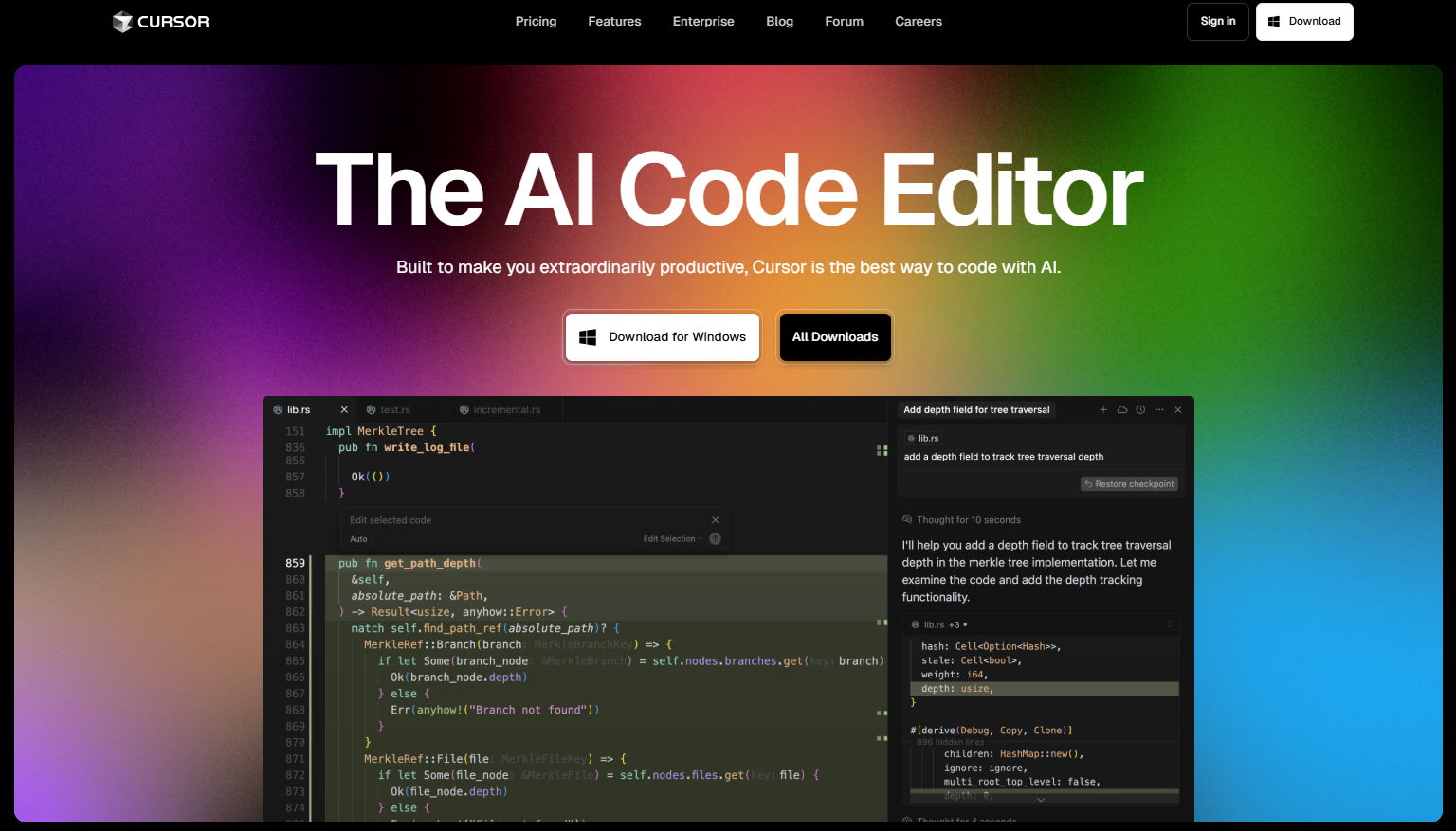
Cursor is one of the strongest alternatives to OpenAI Codex, built as a fully AI-native IDE. Unlike traditional tools, it understands your entire codebase and allows you to edit multiple files through natural language. It’s often considered one of the best OpenAI Codex CLI alternatives thanks to its terminal integration and command execution capabilities.
It goes beyond autocomplete and acts more like an AI pair programmer, making it a top choice among alternatives to ChatGPT Codex.
Key strengths:
- Full codebase awareness.
- AI-powered multi-file editing.
- Integrated chat + command execution.
- Strong CLI workflows.
Pros:
- Extremely fast and context-aware.
- Great for large codebases.
- Replaces multiple dev tools.
Cons:
- Requires adaptation to new workflow.
- Not fully open source.
2. UI Bakery
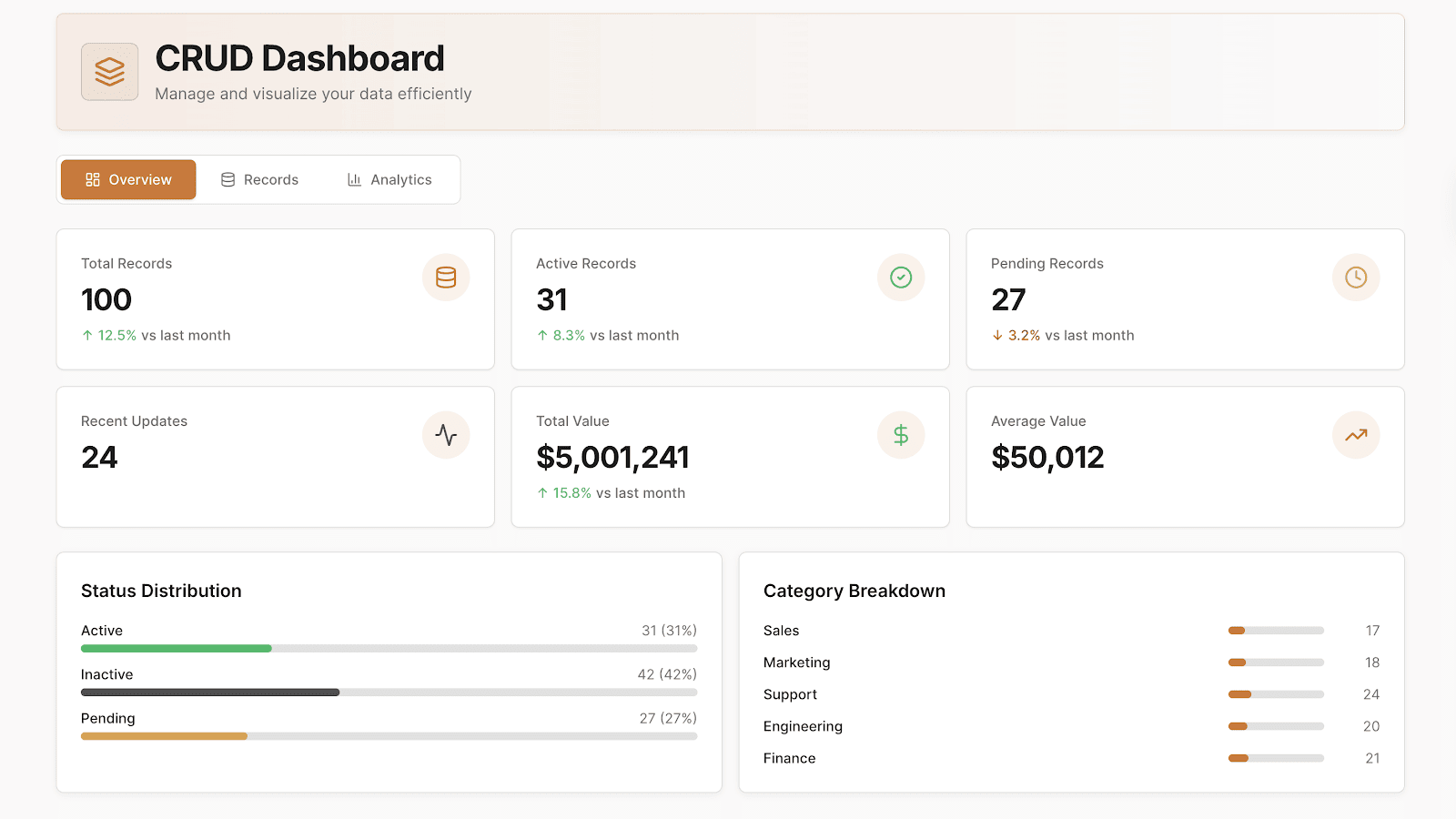
UI Bakery is a unique entry among OpenAI Codex alternatives because it focuses on generating full applications instead of just code snippets. It connects directly to databases, APIs, and services, allowing users to build production-ready internal tools with AI. For teams tired of writing boilerplate, it’s one of the most practical alternatives to OpenAI, especially when working with real operational data.
Key strengths:
- AI app generation on top of real data.
- Built-in database & API integrations.
- Visual + code hybrid approach.
- Self-hosted and secure deployment.
Pros:
- Ships real apps, not just code.
- Great for ops and internal tools.
- Reduces engineering backlog.
Cons:
- Not focused on pure coding workflows.
- Less suited for low-level development.
3. GitHub Copilot
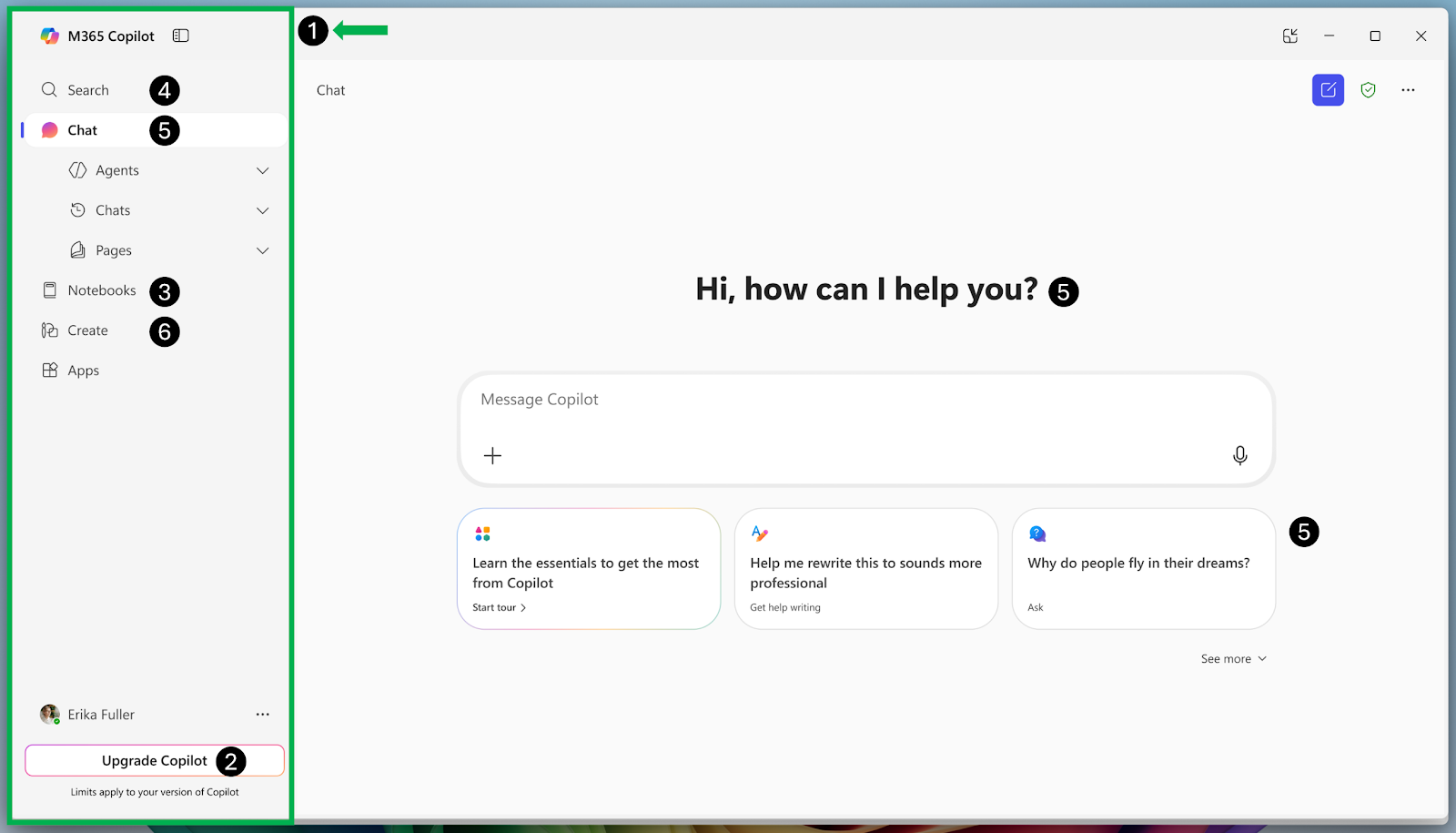
GitHub Copilot remains one of the most widely adopted Codex CLI alternatives, originally powered by Codex itself but now significantly improved. It integrates directly into IDEs like VS Code and provides inline suggestions, chat, and refactoring support. It’s one of the safest choices among alternatives to OpenAI Codex for teams that want minimal workflow changes.
Key strengths:
- Deep IDE integration.
- Reliable autocomplete.
- Large ecosystem support.
Pros:
- Easy to adopt.
- Works across languages.
- Backed by GitHub.
Cons:
- Limited beyond suggestions.
- Less autonomous than newer tools.
4. Replit Ghostwriter
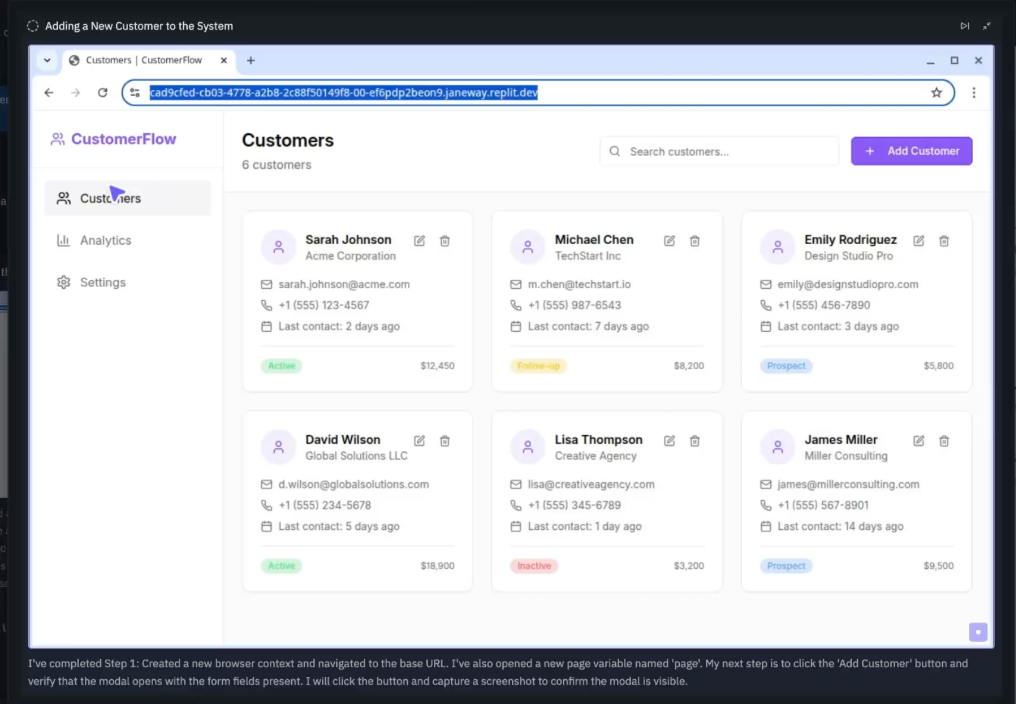
Replit Ghostwriter combines AI coding with a full cloud-based development environment. It’s one of the most accessible free alternatives to OpenAI Codex, especially for beginners and rapid prototyping. Because it includes hosting, database, and deployment in one place, it stands out among OpenAI Codex CLI alternatives for end-to-end workflows.
Key strengths:
- Browser-based IDE.
- Built-in deployment.
- AI + runtime environment.
Pros:
- No setup required.
- Great for full-stack projects.
- Beginner-friendly.
Cons:
- Less powerful for large systems.
- Performance limitations.
5. Codeium
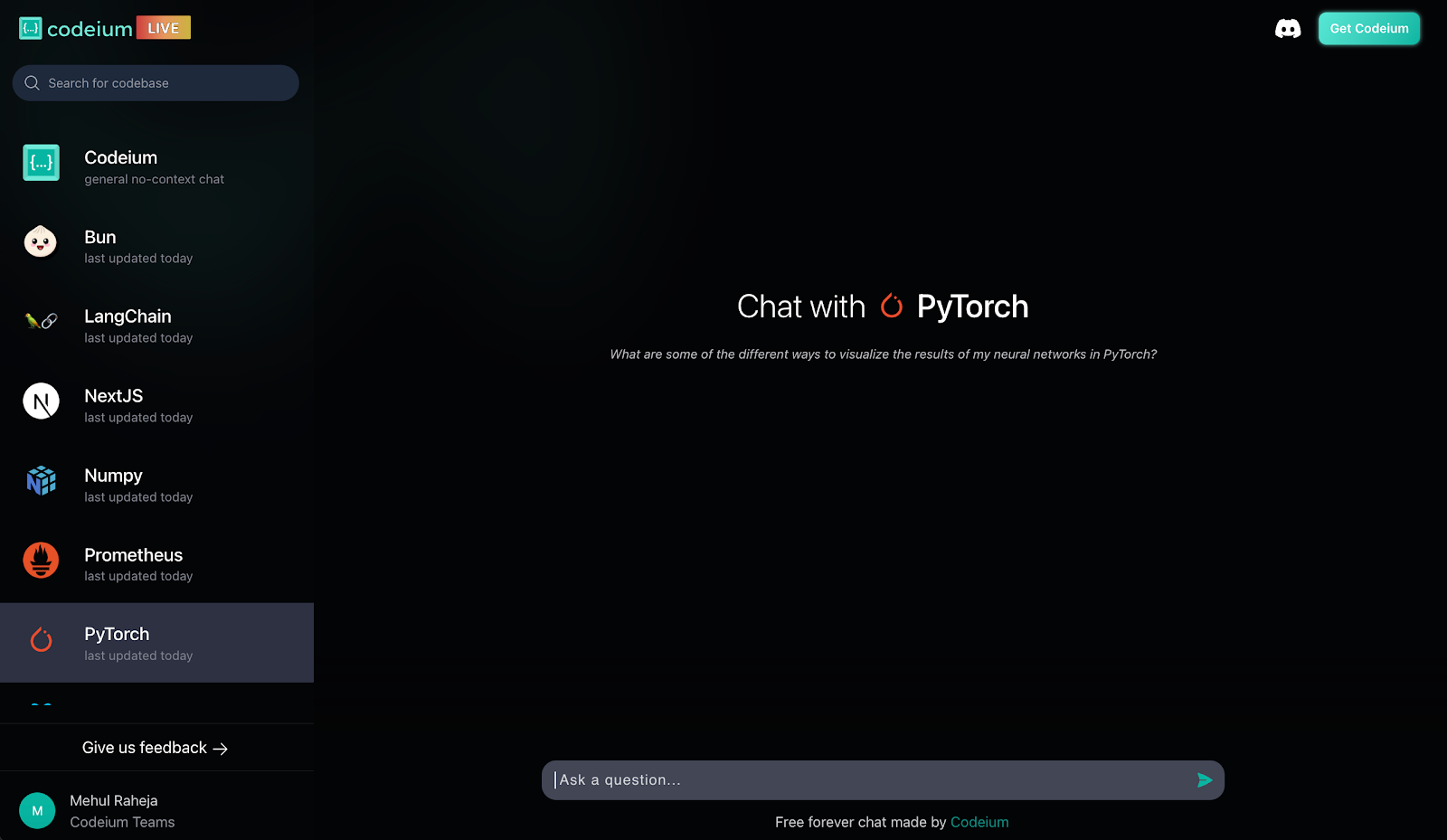
Codeium (Windsurf) is one of the best free alternatives to OpenAI Codex and also qualifies as one of the top open source alternatives to OpenAI Codex (partially open ecosystem). It offers autocomplete, chat, and IDE integrations similar to Copilot but without the cost. For developers looking for open source Codex alternatives, Codeium is often the first choice.
Key strengths:
- Free AI coding assistant.
- Multi-IDE support.
- Fast autocomplete.
Pros:
- Completely free.
- Easy to install.
- Good performance.
Cons:
- Slightly lower accuracy than premium tools.
- Fewer advanced features.
Final thoughts
The landscape of OpenAI Codex alternatives 2026 has evolved significantly. Today’s tools are not just alternatives to Codex, they redefine how software is built from AI-native IDEs to full app generators.
- If you want AI-first coding – Cursor.
- If you want real apps with data – UI Bakery.
- If you want a safe default choice – Copilot.
- If you want browser + AI – Replit.
- If you want a free option – Codeium.
Ultimately, the best alternatives to OpenAI depend on whether you're writing code, orchestrating workflows, or building production systems.
Next step
Planning a HIPAA-sensitive internal app?
Use the checklist above to map data flow, roles, audit events, vendors, and deployment decisions before the first production workflow ships.
Healthcare operations example
Action Behavior Centers scaled internal operations across clinics with UI Bakery
For a real operational example, review UI Bakery customer stories and healthcare operations patterns.
5,000+users supported in the customer story
400+clinics mentioned in the case study
What are the best alternatives to OpenAI Codex?
The best alternatives to OpenAI Codex include Cursor, UI Bakery, GitHub Copilot, Replit Ghostwriter, and Codeium. These tools offer stronger AI capabilities, better integrations, and more production-ready workflows.
Are there free alternatives to OpenAI Codex?
Yes, Codeium and Replit Ghostwriter are among the best free alternatives to OpenAI Codex, offering strong AI coding features without subscription costs.
What are open source alternatives to OpenAI Codex?
Some open source Codex alternatives include tools like Codeium (partially open ecosystem) and various LLM-based coding assistants built on open models.
What are OpenAI Codex CLI alternatives?
Cursor, Codeium, and Copilot CLI integrations act as strong OpenAI Codex CLI alternatives, enabling command-line AI workflows.
What is the difference between Codex and modern alternatives?
Modern alternatives to ChatGPT Codex focus on full workflows, editing multiple files, running commands, and integrating with real systems, not just generating code snippets.
Are there alternatives to OpenAI for coding?
Yes, many alternatives to OpenAI now exist for coding, offering better customization, pricing, and control, including open-source and enterprise-ready solutions.



"The UI Bakery platform offers a cost-effective approach to creating applications. With UI Bakery, you can achieve your app development goals without breaking the bank."

"Before switching to UI Bakery we developed a number of apps within the Retool system. The Retool system was good but ultimately did not have the flexibility and feature sets that we required."
Check the Story