

What is Base44? A Technical Overview for Modern Builders

Updated:
July 23, 2025
In the fast-paced world of low-code development, Base44 is a rising contender for developers and product teams looking to build secure internal tools without heavy infrastructure overhead. While not as widely known as traditional players, Base44 offers a fresh approach to data-driven UI development with a backend-first philosophy that resonates with engineers.
In this article, we’ll break down what Base44 is, how it works, its core features, pros and cons, and a brief overview of pricing.
🧠 What is Base44?
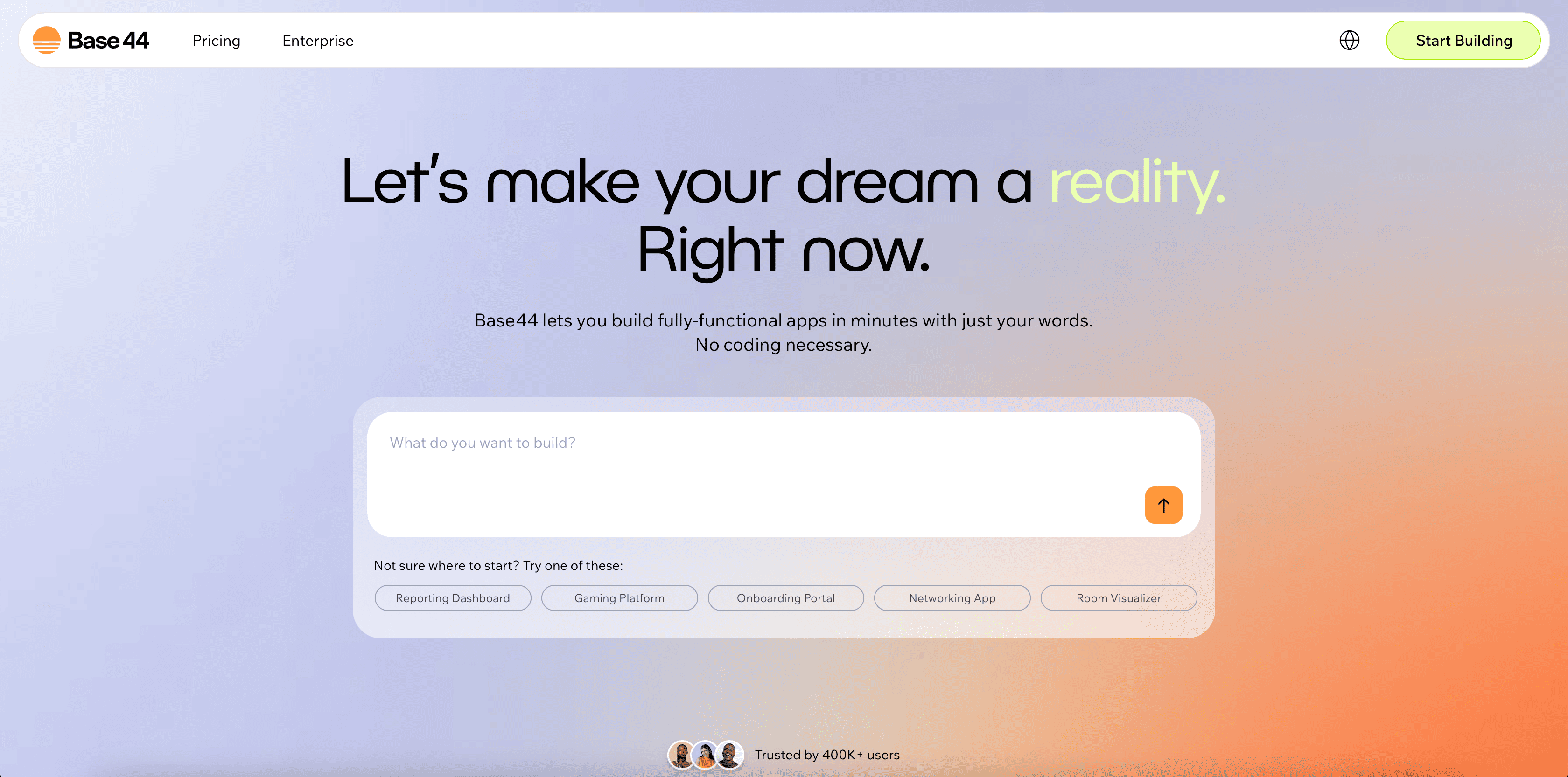
Base44 is a low-code platform for building secure internal applications, dashboards, and admin panels. It focuses on backend-first development, allowing developers to plug in their own APIs and databases while using the platform to handle the front-end UI, permissions, and logic.
Think of it as a developer-centric alternative to tools like Retool or UI Bakery – but with more flexibility around data privacy, custom code, and schema-based logic.
🔧 Core Features
1. Backend-Centric Model
- Create and manage resources like APIs, SQL queries, and business logic in the backend layer.
- Supports REST, GraphQL, PostgreSQL, MySQL, and more.
- Reusable logic blocks that are version-controlled and schema-validated.
2. Composable UI
- Drag-and-drop editor for building responsive front-ends.
- Binding components to API responses is seamless.
- Supports conditional rendering, dynamic fields, and component logic through scripting.
3. Role-Based Access Control (RBAC)
- Fine-grained access control integrated into both UI components and backend logic.
- Supports environments, roles, and audit trails.
4. Custom Code Integration
- Bring your own logic in JS/TS.
- Server-side functions and validations supported.
- Versioned deployment for backend logic.
5. Versioning and CI/CD
- Native Git integration for version control.
- Environment-based deployment strategies (dev/staging/prod).
- CLI support for automated deployment workflows.
✅ Pros of Base44
- Schema-Driven Development: Clear separation of data models, logic, and presentation.
- Secure by Design: Built-in RBAC, audit logs, and granular permissions.
- Dev-Friendly: Git workflows, environment isolation, and CLI tools.
- Modular Logic: Logic blocks can be reused across pages and apps.
- Performance: Fast load times and efficient data fetching via backend orchestration.
❌ Cons
- Learning Curve: More backend-focused than traditional low-code tools — may be overkill for non-developers.
- Smaller Ecosystem: Fewer UI templates and community components compared to Retool or UI Bakery.
- Limited Integrations (for now): Not as many pre-built integrations; designed more for custom API/data sources.
- UI Flexibility: While robust, the UI builder is not as mature in terms of styling and pixel-level control.
💸 Pricing (as of 2025)
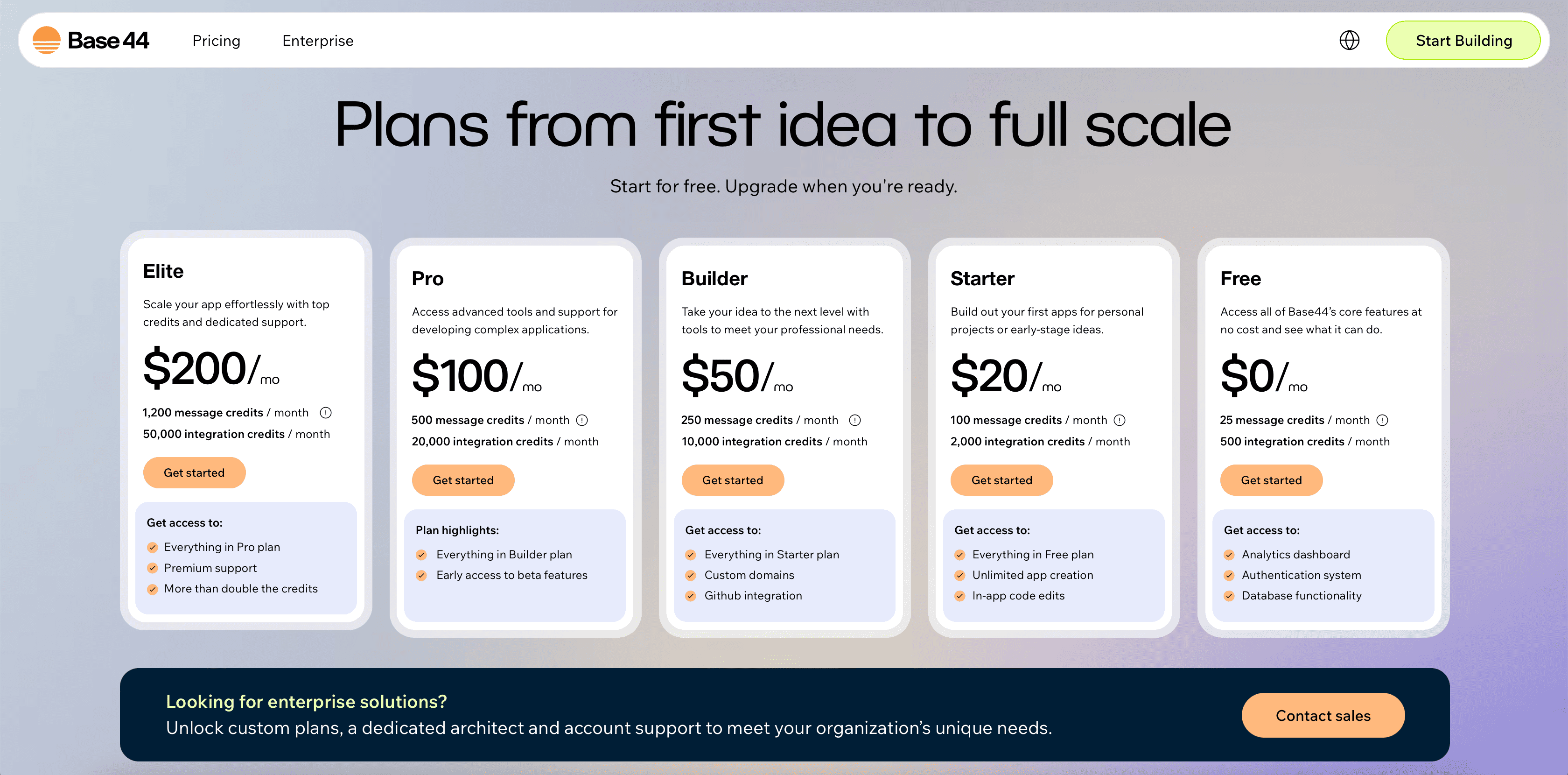
Among its pricing plans, Base44 offers a free tier for individual developers and hobby projects, and several paid plans:
🧪 Final Thoughts: Who is Base44 for?
Base44 is ideal for technical teams building secure, internal tooling with a need for clean architecture, logic reuse, and backend-first thinking. It won't fully replace frontend frameworks for public-facing apps, but it's a solid option for internal dashboards, CRMs, analytics tools, and admin panels — especially where data security and code control are top priorities.
If you're a developer looking for a middle ground between custom-coded apps and drag-and-drop GUIs, Base44 might be your new favorite tool.
Next step
Planning a HIPAA-sensitive internal app?
Use the checklist above to map data flow, roles, audit events, vendors, and deployment decisions before the first production workflow ships.
Healthcare operations example
Action Behavior Centers scaled internal operations across clinics with UI Bakery
For a real operational example, review UI Bakery customer stories and healthcare operations patterns.
5,000+users supported in the customer story
400+clinics mentioned in the case study




"The UI Bakery platform offers a cost-effective approach to creating applications. With UI Bakery, you can achieve your app development goals without breaking the bank."

"Before switching to UI Bakery we developed a number of apps within the Retool system. The Retool system was good but ultimately did not have the flexibility and feature sets that we required."
Check the Story