

5 Best Accounting Automation Software Solutions

Updated:
January 9, 2026
Accounting automation software utilizes technology such as AI, workflow automation, and integrations to streamline or automate manual accounting tasks. Companies rely on these tools to enhance accuracy, minimize operational costs, ensure compliance, and streamline financial operations efficiently.
From solo founders to large accounting firms, automation enables finance teams to focus on analysis and advisory work instead of repetitive data entry.
This article explores the best accounting automation software of 2025, based on features, usability, scalability, and real-world adoption. So let’s consider the top tools and FAQs to choose the right solution for startups and accounting firms.
1. Vic.ai – AI-first accounting automation
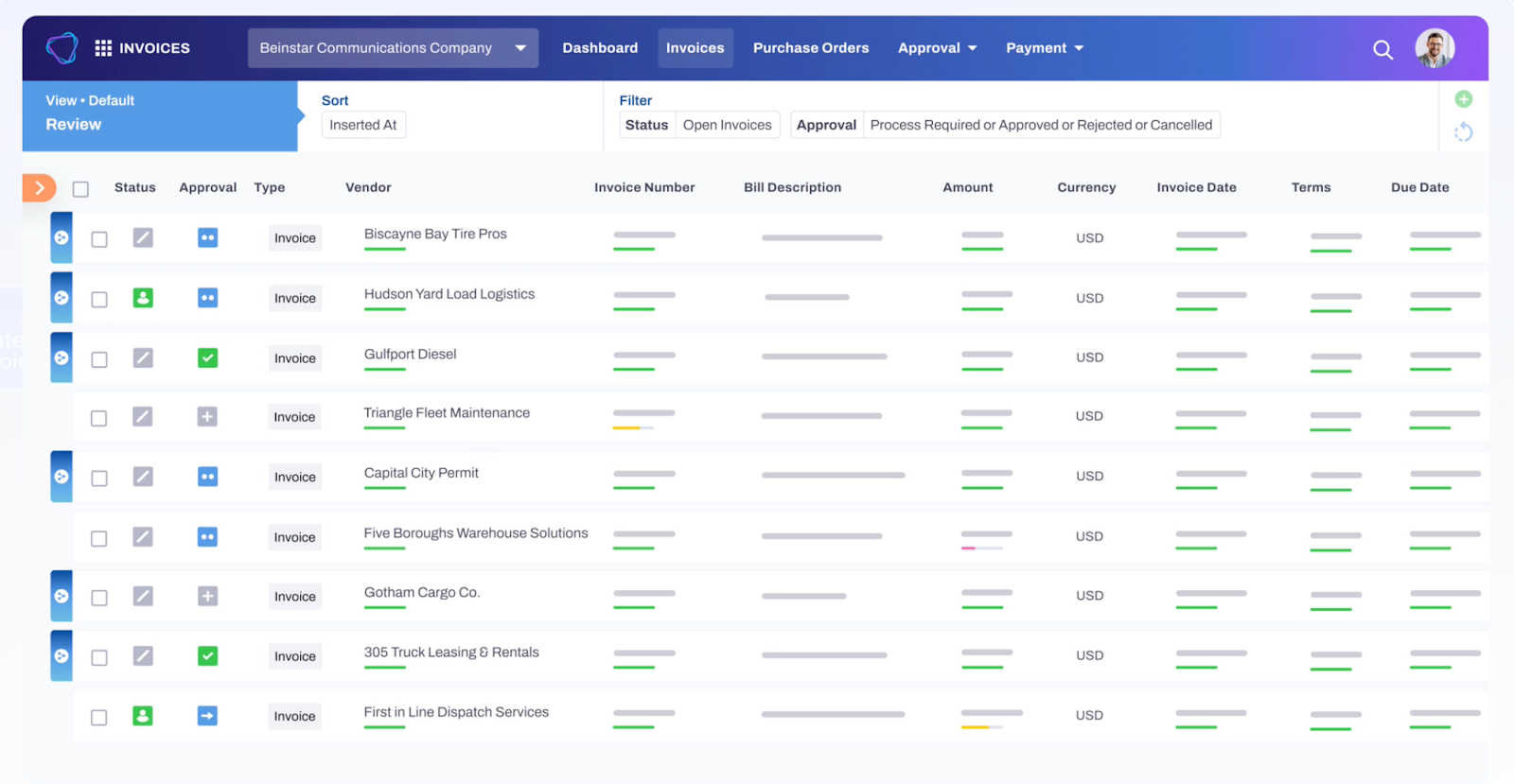
Vic.ai is an AI-powered accounting automation platform designed to eliminate manual data entry and improve financial accuracy at scale. It uses machine learning to analyze historical accounting data, automatically code transactions, and reduce errors in real time.
Key features:
- AI-based invoice classification and coding.
- Automated approvals and GL mapping.
- Fraud and anomaly detection.
- Real-time analytics and insights.
- Seamless integration with major ERP systems like NetSuite and accounting systems.
Best for: mid-sized to large organizations and accounting firms that need advanced AI-driven automation and strong internal controls. Vic.ai is often recognized among the best-rated accounting firm automation services due to its accuracy and enterprise-grade capabilities.
2. UI Bakery AI – best-rated accounting workflow automation tools

UI Bakery is an AI builder that enables accounting teams to create custom applications from prompts tailored to their specific financial workflows. It helps generate internal tools such as approval systems, accounting dashboards, reconciliation interfaces, and reporting apps based on business requirements. It allows companies to automate complex accounting processes that are difficult to handle with standard, pre-built accounting software.
Key features:
- AI-generated accounting processes and finance applications.
- Custom workflows are available for approvals, reconciliations, and reporting.
- Visual workflow builder with database and API integrations.
- Secure access control for finance and accounting teams & audit-friendly design.
- Direct integration with financial databases and accounting systems.
Best for: accounting teams and firms that need tailored workflows rather than off-the-shelf accounting tools. UI Bakery stands out as one of the best automation tools for accounting practices that want full control over dashboards, approvals, and reporting logic.
3. Botkeeper – automated bookkeeping with human oversight
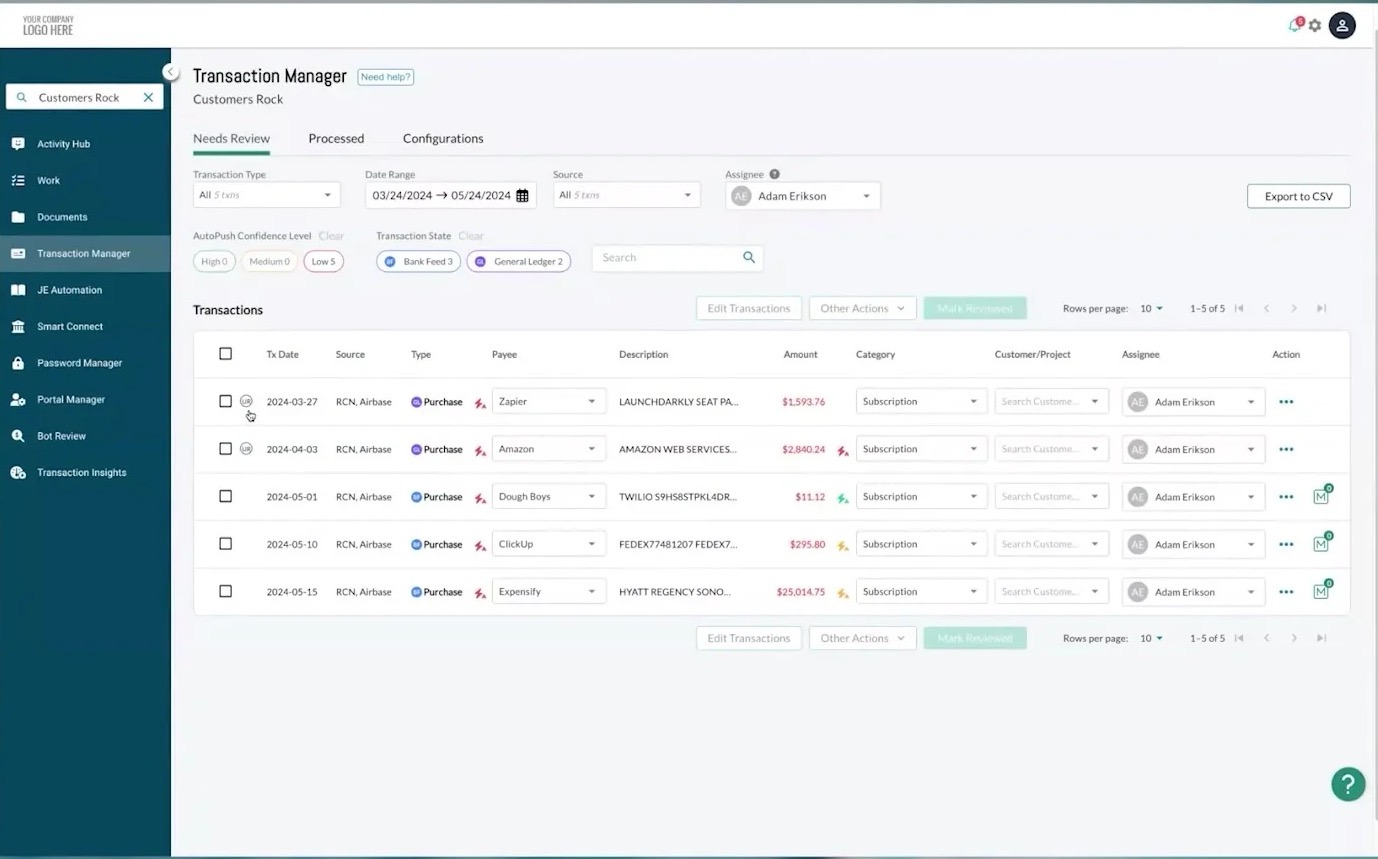
Botkeeper is an automated bookkeeping solution that combines AI, machine learning, and skilled accountants to deliver end-to-end financial management. The platform automates transaction categorization, monthly close processes, and financial reporting while maintaining human review for accuracy and compliance, ensuring efficiency without sacrificing reliability.
Key features:
- Automated transaction categorization.
- Monthly close automation.
- Financial statements and reporting.
- Workflow and collaboration tools: task assignment, reminders, and approval processes for teams.
- Human-assisted review layer.
Best for: accounting firms and startups seeking outsourced automation. It’s especially attractive for those evaluating the best accounting automation solutions for startups that want predictable pricing and minimal setup.
4. QuickBooks – one of the best accounting software for automation
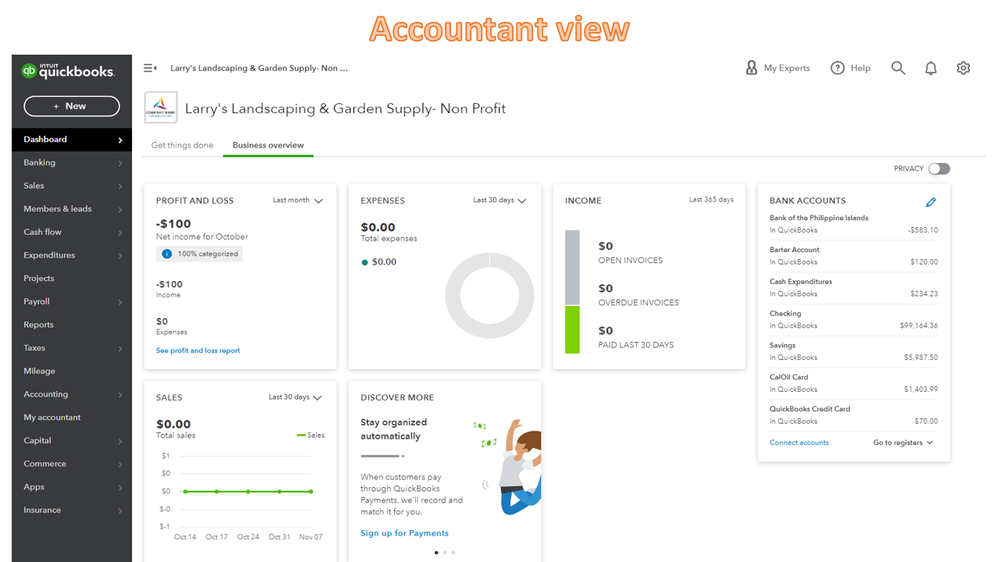
Quick Books is an accounting platform, offering built-in automation features tailored for small and mid-sized businesses. It simplifies and manages everyday accounting tasks by automating expense tracking, invoicing customers, bank reconciliations, and financial reporting.
Key features:
- Automatic bank feeds and transaction categorization.
- Cloud-based architecture and extensive app ecosystem – optimization of financial operations without complex setup.
- Recurring invoices and payment reminders.
- Automated tax calculations and reporting.
- Integration with payroll, inventory, and third-party finance tools.
Best for: small businesses, startups, and growing companies that want reliable, easy-to-use accounting automation with minimal onboarding time.
5. Zapier – no-code automation for accounting ecosystems
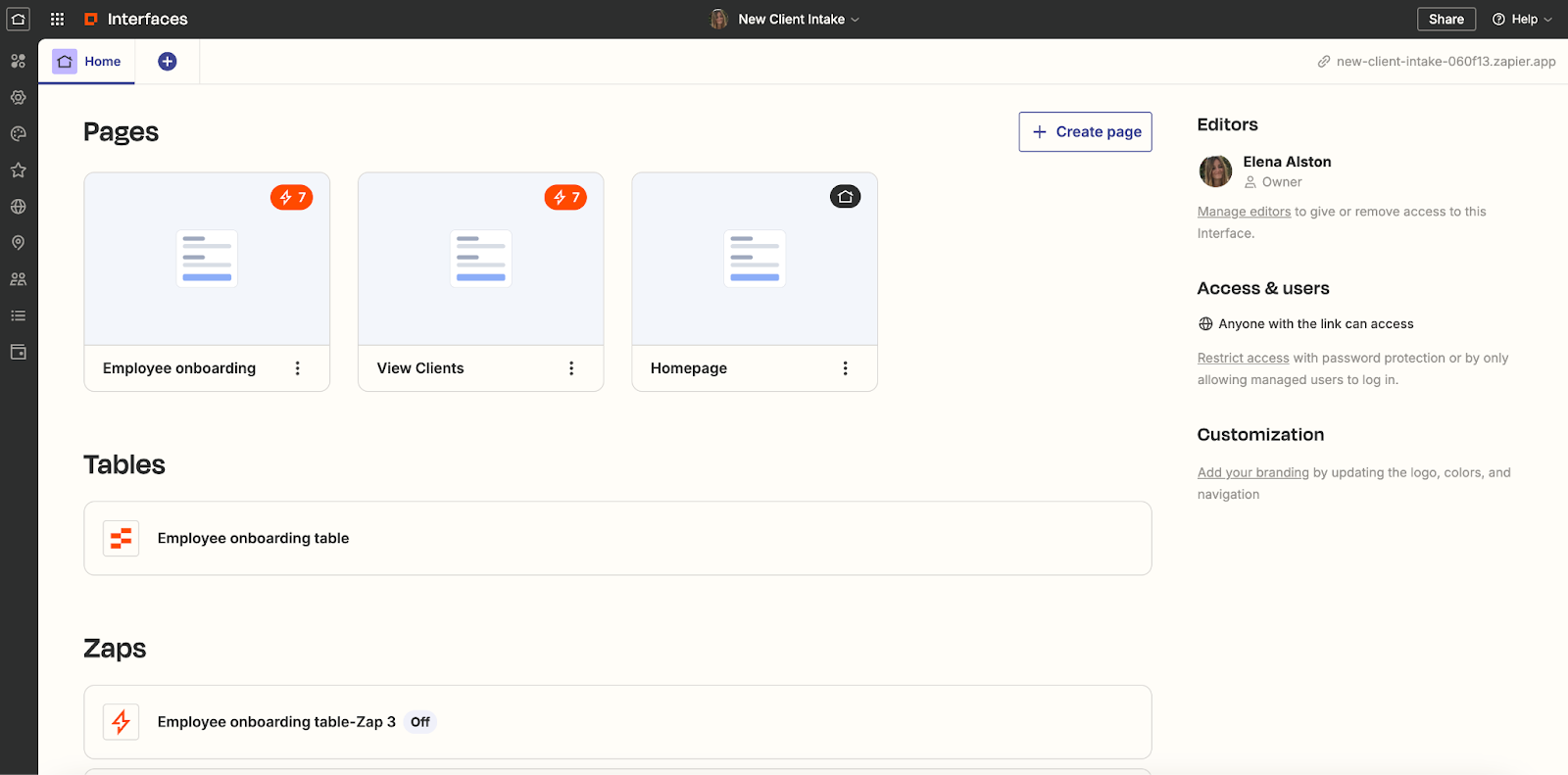
Zapier is a no-code automation platform that helps automate repetitive, rule-based accounting and finance tasks by connecting accounting software with hundreds of other business applications. It helps automate accounting-related workflows such as invoice creation, payment notifications, and data synchronization. Zapier is especially useful for teams looking to automate across tools without custom development.
Key features:
- Automates data flow between accounting, CRM, and billing tools.
- Document & Receipt Handling for audit readiness.
- Trigger-based workflows for invoices, payments, and notifications.
- Easy setup with minimal technical skills.
Best for: small teams and firms that rely on multiple SaaS tools. Zapier is frequently included in lists of best-rated accounting workflow automation tools for its flexibility and accessibility.
How to choose the right accounting automation tool
When selecting an automation platform, consider:
- Business size and complexity.
- Customization vs. out-of-the-box functionality.
- Integration with existing accounting software.
- Security, compliance, and audit requirements.
- Scalability and long-term cost efficiency.
The right platform should reduce manual work while improving financial visibility and control, making it the best automation solution for accounting firms.
FAQ
1. What’s the best accounting automation software?
The best option depends on your needs. Vic.ai is ideal for AI-driven automation, UI Bakery AI App Generator excels at custom workflows, and Zapier is great for lightweight integrations.
2. Is accounting automation suitable for small businesses?
Yes. Many tools, including Botkeeper and Zapier, are designed to help small businesses and startups automate bookkeeping without large upfront investments and technical skills.
3. Can accounting automation replace human accountants?
No. Automation enhances efficiency but does not replace professional judgment. Accountants shift toward advisory, compliance, and strategic analysis roles.
4. How secure is accounting automation software?
Leading platforms use encryption, role-based access, and audit logs to ensure financial data security and compliance.
5. Can accounting automation integrate with existing financial systems?
Yes, most accounting automation tools integrate easily with existing financial systems. Solutions like QuickBooks, Vic.ai, and Botkeeper connect with common accounting platforms, while tools like Zapier and UI Bakery help extend integrations across other business applications.
Next step
Planning a HIPAA-sensitive internal app?
Use the checklist above to map data flow, roles, audit events, vendors, and deployment decisions before the first production workflow ships.
Healthcare operations example
Action Behavior Centers scaled internal operations across clinics with UI Bakery
For a real operational example, review UI Bakery customer stories and healthcare operations patterns.
5,000+users supported in the customer story
400+clinics mentioned in the case study




"The UI Bakery platform offers a cost-effective approach to creating applications. With UI Bakery, you can achieve your app development goals without breaking the bank."

"Before switching to UI Bakery we developed a number of apps within the Retool system. The Retool system was good but ultimately did not have the flexibility and feature sets that we required."
Check the Story